Choice International Shade (CI Shade) - the Gulf Region's leading experts in high-quality tensile and structural shading solutions. Based in Saudi Arabia and Bahrain.
Loading
Choice International Shade (CI Shade) - the Gulf Region's leading experts in high-quality tensile and structural shading solutions. Based in Saudi Arabia and Bahrain.
Heavy duty shade fabric Ras Tanura buyers usually need material that can handle fierce sun, salt-laden air, and constant exposure without losing shape too quickly. In a coastal place like Ras Tanura, the fabric is not just a finishing layer; it is the part that does the real work of blocking UV, resisting abrasion, and keeping the shade looking presentable around homes, oil and gas facilities, car parks, walkways, and service yards.
At CI Shade, we specify and fabricate shade systems for Gulf conditions every day, so we know the difference between fabric that merely looks good on paper and fabric that actually performs on site. If you are comparing options for a project in Ras Tanura or the wider Eastern Province, this page will help you understand the materials, the structure behind them, and the practical details that matter once the summer heat settles in.
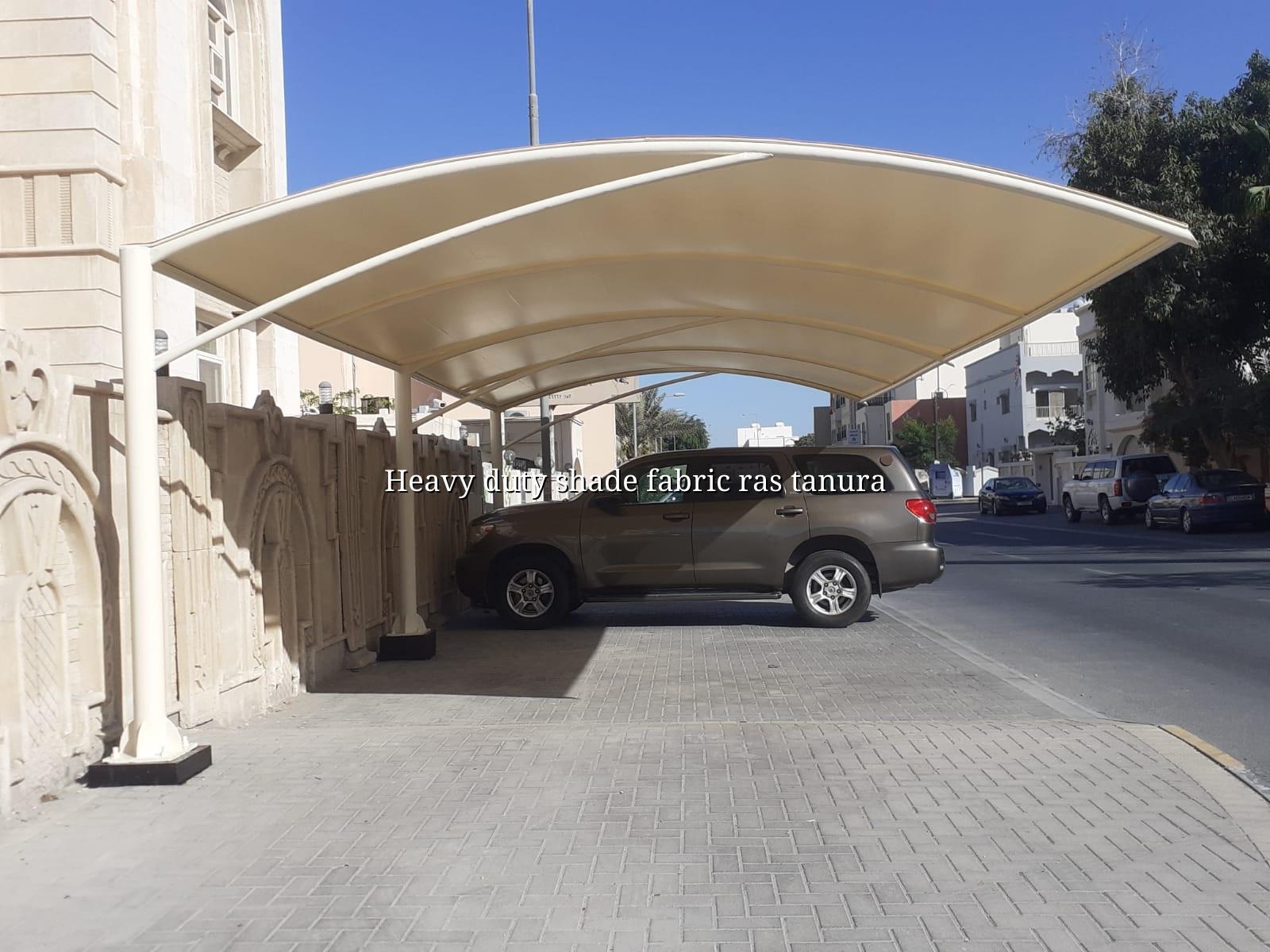
In Ras Tanura, shade fabric works harder than it does in many inland locations. You get strong UV, reflected glare from light-coloured surfaces, salt in the air, wind movement, and fine dust that settles into fibres and seams. If the fabric is too light for the load or poorly coated, it can sag early, fade unevenly, or start looking tired long before the structure itself reaches its proper service life.
The right heavy-duty shade fabric needs a stable coating and a base yarn that suits the application. For many projects, PVC coated fabric or PVDF coated fabric is chosen because it offers a strong balance of weather resistance and finish quality. In more specialised cases, HDPE fabric, PTFE fabric, ETFE film or acrylic fabric may be the better route, depending on whether the project is a car park, a walkway, a facade feature, or a large tensile structure.
Fabric is only as good as the design behind it. Our team patterns each shade to suit the span, the post layout, the expected wind behaviour, and the visual line you want on site. That matters in open coastal areas where a poor cut detail or bad tensioning choice can leave you with flutter, puddling, or uneven stress at the edges.
We see demand for this kind of material in Ras Tanura for car parking shades, industrial labour rest tents, walkway and entrance shades, school shades, residential courtyards, and service areas tied to commercial or energy-sector facilities. It also appears in larger steel-and-fabric combinations where the shade fabric needs to work with structural steelwork rather than sit on a simple frame.
Heavy duty shade fabric has to sit under real tension. That is why we match the fabric type to the pattern, the frame, and the fixing details rather than treating every project the same. In practice, that gives you a cleaner finish and better performance in wind-prone coastal areas.
We look at the posts, the base plates, the connection points, and the site exposure as one system. A strong fabric on a weak structure is still a weak outcome. That is why our design and engineering team checks the full build before fabrication starts.
Most clients want a clear answer fast, but the right answer comes from a simple sequence. We look at the site, the use case, the exposure, and the finish you expect, then build the fabric selection around that.
There is no single “best” membrane for every project. PVC coated fabric is widely used for practical tensile shade work because it balances durability and appearance. PVDF coated fabric adds a more resilient surface finish for easier cleaning in dusty environments. HDPE fabric, made from 100% monofilament HDPE yarn, is useful where airflow matters. PTFE fabric, ETFE film, and acrylic fabric are usually considered for more specific architectural or performance-led applications. The real task is to align the material with the site exposure, structure, and maintenance expectations.
| Fabric Type | Typical Strengths | Common Uses in the Gulf |
|---|---|---|
| PVC coated fabric | Strong all-round performance, good tensioning, dependable weather resistance | Car parks, walkways, commercial shades |
| PVDF coated fabric | Cleaner surface finish, improved resistance to staining and surface wear | Visible architectural shades, schools, commercial fronts |
| HDPE fabric | Air permeability, lighter feel, good for screening and sun reduction | Privacy fence shades, park areas, labour rest tents |
| PTFE fabric | High-performance membrane option, durable finish, strong architectural presence | Large feature structures, stadium-related shade work |
| ETFE film | Specialist film system, single-layer or cushion solutions, high light transmission | Special architectural envelopes and feature installations |
| Acrylic fabric | Decorative look, suitable for selected shade applications, colour variety | Residential and hospitality-oriented shade elements |
Ask how the fabric is reinforced at corners and edges, what coating is used, and how it will be tensioned on the steel frame. If the project sits near the coast, also ask how the design addresses corrosion around the support members and fixings. In our experience, the cheapest-looking choice at the start often becomes the most visible maintenance issue later.
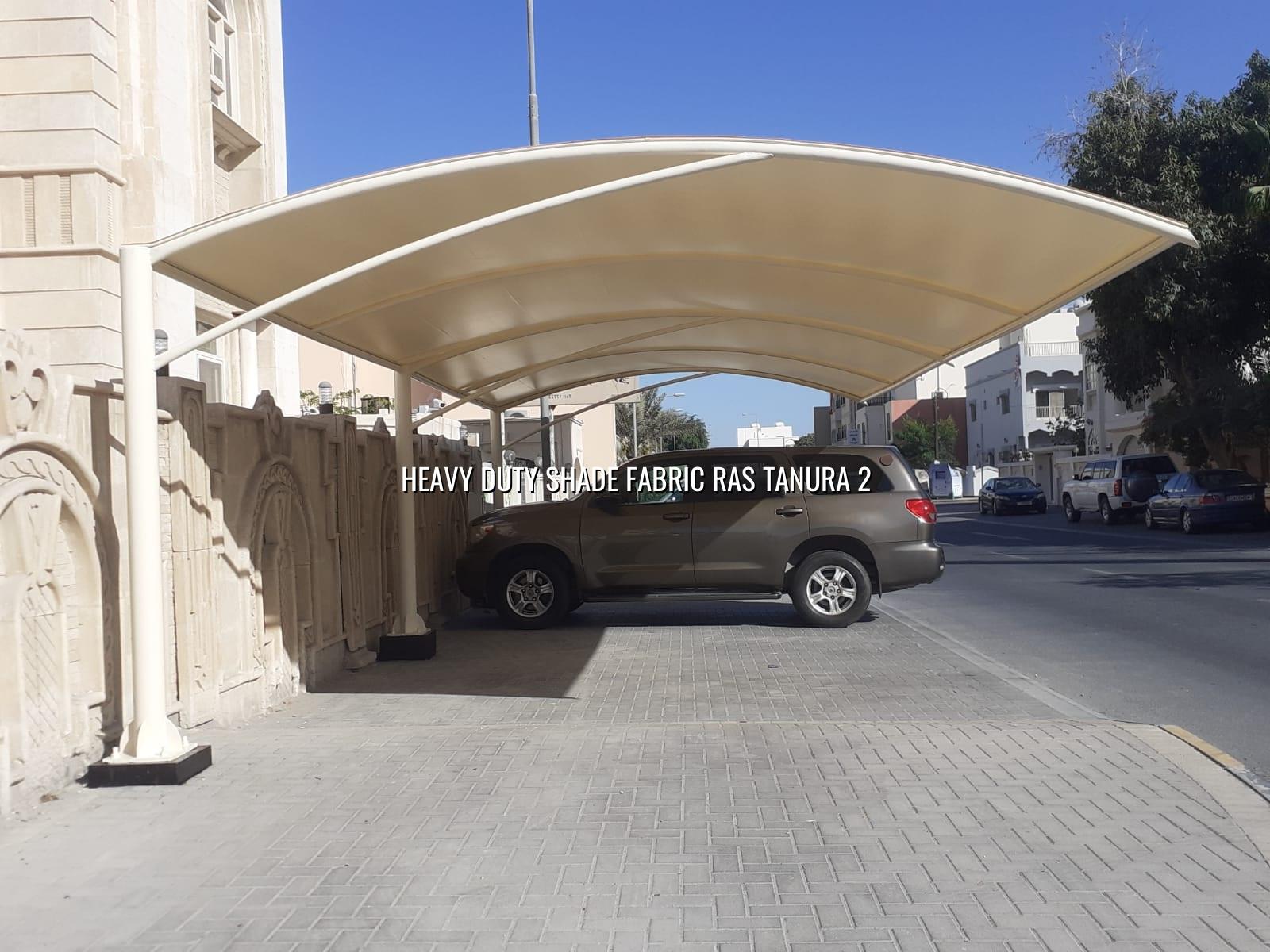
We handle the whole chain: design & engineering, manufacturing, installation, maintenance, and steel contracting. If your Ras Tanura project needs a fabric shade that looks good and keeps performing through harsh coastal weather, our team can recommend the right membrane and build it to suit the structure around it.
Call +966 56 418 7590, message us on WhatsApp, or email info@choiceshade.com to talk through your project.
Here are the questions we get most often from clients comparing shade fabric for coastal projects in the Eastern Province.
If you're comparing materials for a new shade project, start with the site conditions first. Once the exposure, span, and use are clear, the fabric choice becomes much easier, and the result is usually better too.
Contact our team today for practical guidance, a site-aware fabric recommendation, and a quote tailored to your shade structure.
Request A QuoteLet's discuss how we can bring your vision to life with our expert tensile shade solutions.
Contact Us Today