Choice International Shade (CI Shade) - the Gulf Region's leading experts in high-quality tensile and structural shading solutions. Based in Saudi Arabia and Bahrain.
Loading
Choice International Shade (CI Shade) - the Gulf Region's leading experts in high-quality tensile and structural shading solutions. Based in Saudi Arabia and Bahrain.
Heavy duty shade fabric Khafji customers ask for has to do more than block the sun. It needs to stand up to harsh UV, coastal salt, wind, sand and long hours of heat without looking tired too quickly. For car parks, schools, labour areas and commercial sites near the Kuwait border or along the Eastern Province coast, the fabric choice shapes everything from service life to how the shade looks on day one.
At CI Shade, we help clients choose the right fabric for the setting, the structure and the actual exposure on site. That usually means PVC coated fabric, PVDF coated fabric, HDPE fabric, PTFE fabric, ETFE film or acrylic fabric, matched to the steelwork and the project duty. We fabricate and install across Saudi Arabia and Bahrain, with work shaped by Gulf conditions rather than generic assumptions.
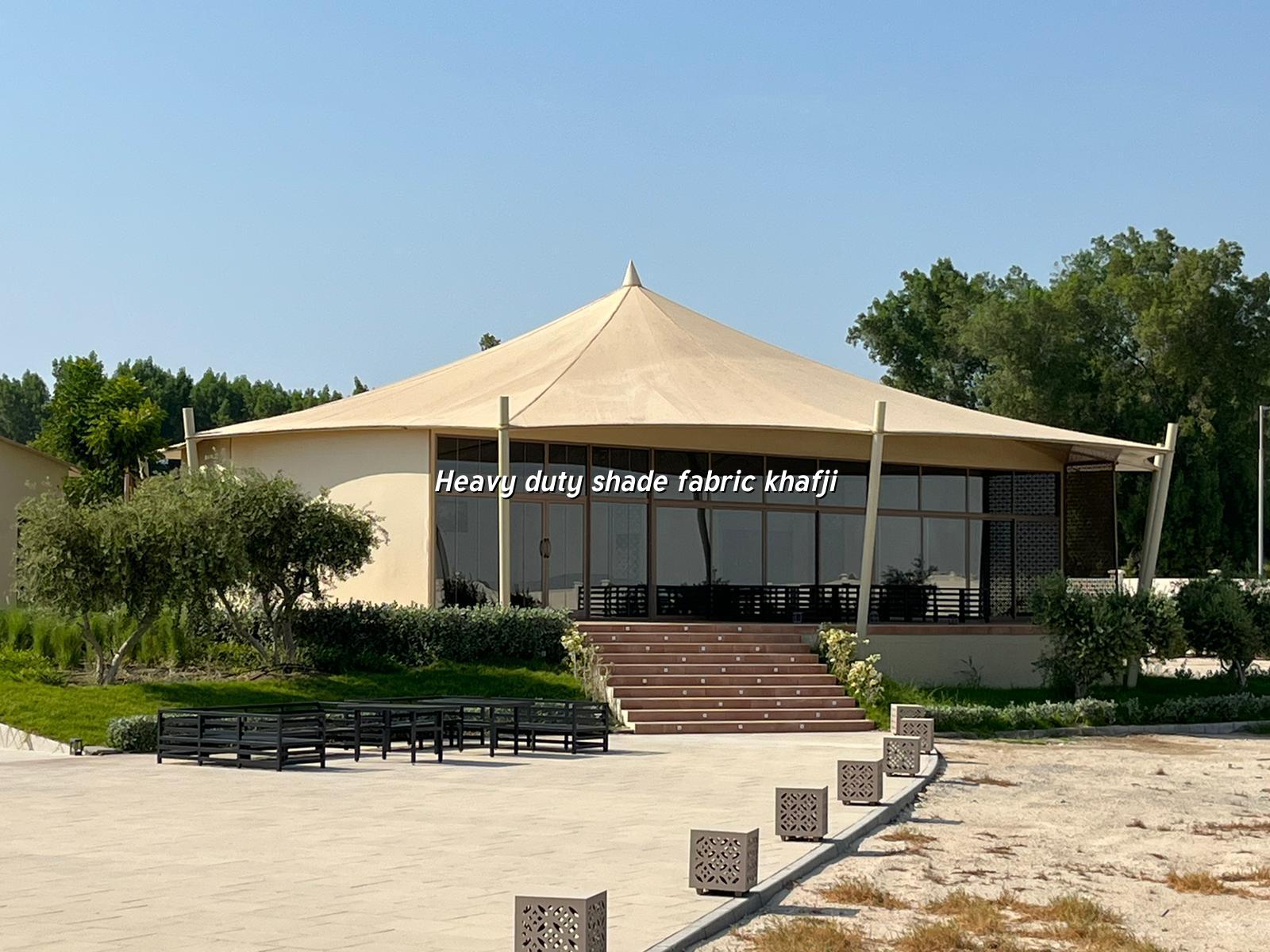
The biggest reason is exposure. In Khafji and nearby coastal projects, the fabric sees strong sunlight, airborne dust and salt carried in the air. A lighter, lower-grade cloth can look fine at first, then start to sag, fade or lose tension once the weather gets serious. Heavy duty shade fabric gives you a better base for stable tension, cleaner edges and a structure that stays presentable for longer.
We often guide clients towards coated materials because the coating matters as much as the base cloth. PVC coated fabric and PVDF coated fabric are popular for car parks and commercial canopies because they offer solid UV resistance and a finish that handles regular cleaning. HDPE fabric works well for privacy fence shades, playgrounds and labour rest tents where breathability is useful, while PTFE and ETFE suit more specialist architectural work.
Fabric alone never solves the problem. The patterning, cable layout, steel frame and fixing details all matter, especially where Gulf wind loads and high summer temperatures can move a structure around if it has been treated casually. Our design and engineering team prepares the shade system as one complete package, so the fabric, steelwork and anchoring all pull in the same direction.
On real projects, this kind of fabric is used where people need daily protection and the site manager wants something that still looks sharp after heavy use. We see demand from schools, business premises, residential compounds, mosques, parking courts and industrial yards. In Bahrain, the same logic applies, especially on exposed sites where salt and heat shorten the life of weaker materials.
We don't start by naming a material and hoping it fits. We look at the site first: open coastal frontage, sheltered courtyard, rooftop, industrial yard or a shaded parking bay beside steelwork. That simple check usually tells us whether PVC, PVDF, HDPE or a specialist membrane is the better choice.
The best fabric is still easier to keep if the structure was detailed properly from the start. Good access for cleaning, strong edge fixings, correct drainage points and sensible tensioning all help. That is why we plan maintenance at the design stage, not after the first problem appears.
Most customers want straight answers: which fabric suits the job, how it will be fixed, and what the final shade system will look like on site. Our process is practical and keeps the discussion tied to the real project, not just a brochure sample.
A lot of confusion comes from treating all shade cloth as the same. It isn't. PVC coated fabric is widely used for tensile shade structures because it balances strength, appearance and practical fabrication. PVDF coated fabric adds a tougher surface finish for areas that need better weathering and easier cleaning. HDPE fabric, especially 100% monofilament HDPE yarn, is breathable and suits privacy screens and open shade applications. PTFE and ETFE are specialist solutions for architectural projects that need a higher-end membrane approach.
| Fabric Type | Best Use | Key Benefit |
|---|---|---|
| PVC coated fabric | Car parks, entrance canopies, commercial shade structures | Strong all-round performance with flexible fabrication |
| PVDF coated fabric | High-visibility canopies, long-term exterior shading | Improved surface protection and easier cleaning |
| HDPE fabric | Privacy fence shades, playgrounds, open breathable screens | Air flow with dependable sun screening |
| PTFE fabric | Special architectural and demanding structural projects | High-performance membrane behaviour for specialist work |
The fabric can only do its job if the supporting steel and brackets are right. We are also a steel contracting company, so we can build the frame, roof feature or canopy support as part of the same scope. That matters in the Gulf, where heat expansion, dust and coastal conditions can punish weak detailing. Good tensioning and proper fixings keep the membrane looking crisp, and regular inspection helps catch small issues before they grow.
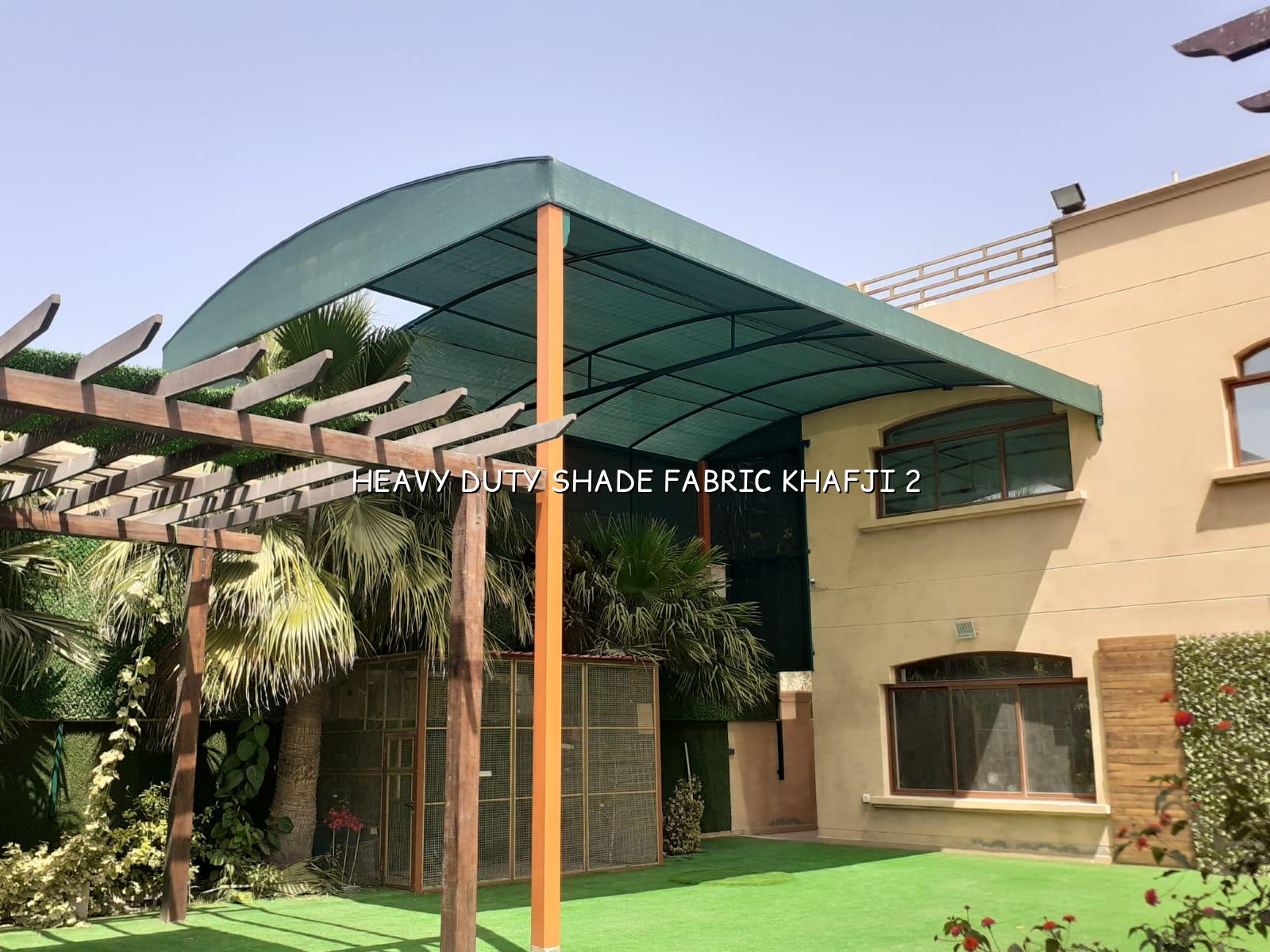
If you're comparing heavy duty shade fabric Khafji options for a new canopy, car park or boundary screen, we can help you narrow it down fast. Our team handles design and engineering, manufacturing, installation and maintenance, so you deal with one company from start to finish. We also work on steel contracting for buildings, factories, petrol stations, warehouses and roof features, which is useful when the shade system is part of a larger project.
Call +966 56 418 7590, message us on WhatsApp, or email info@choiceshade.com to talk through your project.
These are the questions we hear most often from clients comparing membrane types for Gulf projects.
The best project starts with the right fabric and a structure that suits Gulf conditions from day one. If you want a straight answer on heavy duty shade fabric Khafji projects, we'll talk you through the options and build it properly.
Contact our team today for a practical recommendation, site-aware design support and a quote for your shade project.
Request A QuoteLet's discuss how we can bring your vision to life with our expert tensile shade solutions.
Contact Us Today