Choice International Shade (CI Shade) - the Gulf Region's leading experts in high-quality tensile and structural shading solutions. Based in Saudi Arabia and Bahrain.
Loading
Choice International Shade (CI Shade) - the Gulf Region's leading experts in high-quality tensile and structural shading solutions. Based in Saudi Arabia and Bahrain.
HDPE tensile structure Saudi Arabia projects are a smart choice when you need shade that handles strong sun, dusty air and Gulf wind conditions without feeling heavy or closed in. At CI Shade, we use this fabric in forms that suit privacy fences, labour rest areas, walkway screens and light shade enclosures where airflow still matters.
In Al Khobar, Dammam, Dhahran and across Bahrain, people often want a shade solution that is practical first and clean-looking second. That is where HDPE works well. It gives you visual screening, cooler spaces and a lighter structure for sites that need day-to-day use, not just decorative cover.
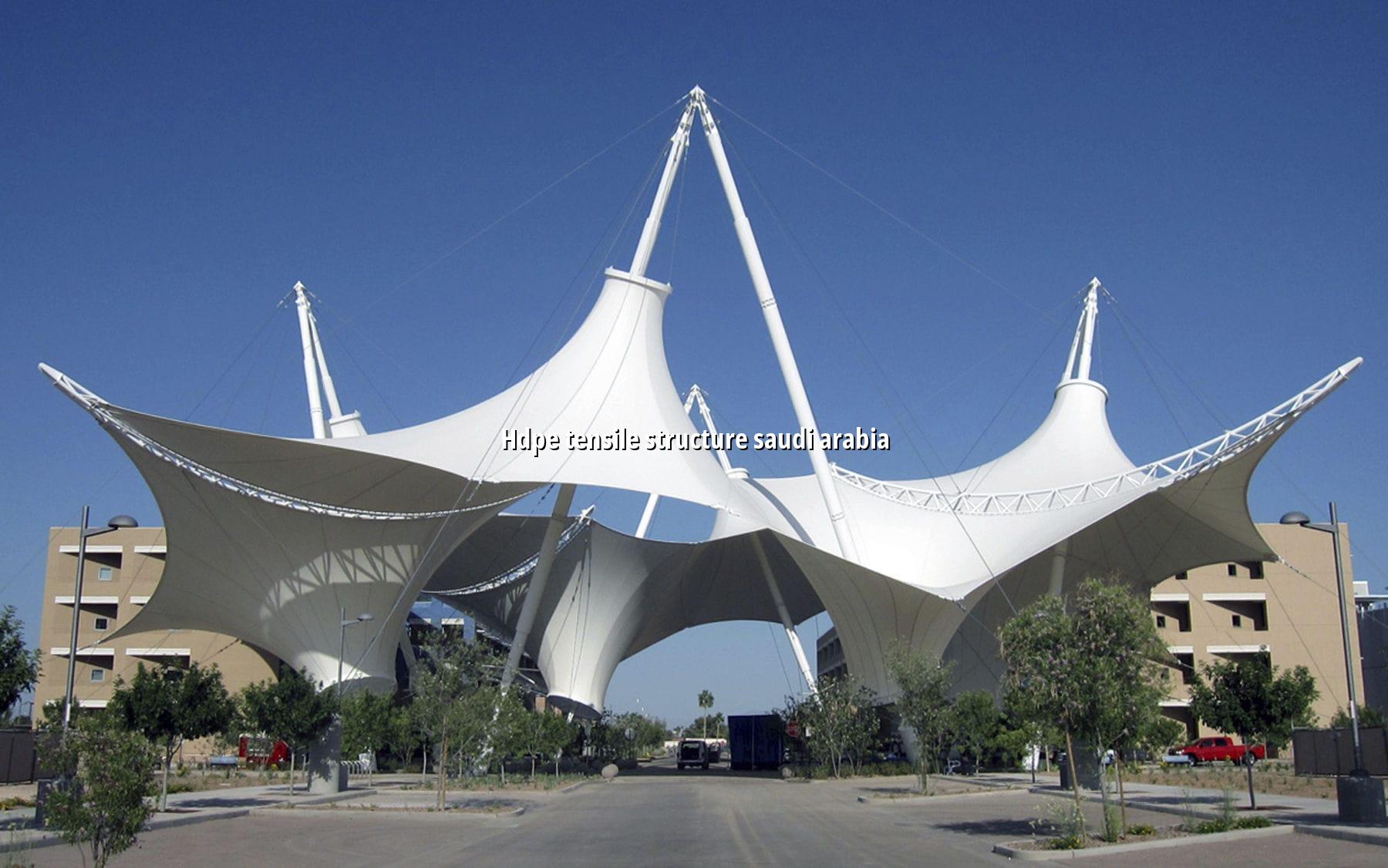
HDPE tensile structure Saudi Arabia buyers usually want two things at once: shade and airflow. HDPE fabric helps with both. Because the material is knitted rather than sealed like a solid membrane, it can reduce glare and heat gain while still allowing air movement across yards, courts, service areas and perimeter screens. That makes it useful in the Eastern Province, where summer heat and dust can make enclosed spaces uncomfortable very quickly.
HDPE fabric is widely used for shade screens and privacy fence applications because it stands up well to UV exposure and outdoor wear. In Saudi Arabia and Bahrain, the real test is not only the sun. You also get sand movement, salt air near the coast and long periods of high temperature. Our team specifies HDPE fabric with the right density and edge detailing for the site, so the finished structure behaves properly in real conditions rather than only in a brochure.
Every project starts differently. A school in Al Ahsa needs a different edge condition from a warehouse side screen in Jubail, and a residential privacy fence in Manama has different expectations again. We design HDPE tensile structure systems to suit the frame, the opening sizes and the wind exposure. That may mean a flat screen, a curved panel or a tensioned screen attached to structural steelwork.
The most common use is privacy fence shading, especially along perimeter walls where people want daylight control and visual screening without blocking the area completely. We also see requests for service yard screens, labour rest shelters, walkway covers, entrance shading and boundary treatments for commercial sites. In practical terms, this is the fabric people choose when they need the space to stay usable through the hot months.
HDPE is popular because it gives screening without making the site stuffy. That matters in Gulf climates where a solid enclosure can trap heat and feel unpleasant by mid-morning. We often recommend it for fence lines and labour rest areas where people need shade, but not complete blockage of wind.
Our steel contracting team handles the supporting frame, so the fabric and structure are designed together. That helps with alignment, tensioning and fixing details, especially on larger runs where a small error becomes visible fast. It also keeps the work consistent with the rest of the project.
Our process is straightforward. We look at the site, the exposure and the way you want the area to function, then we build the structure around those needs.
For HDPE tensile structure Saudi Arabia projects, the fabric choice needs to match the application. We use HDPE fabric with 100% monofilament HDPE yarn in the right shade density for the task, and we combine it with structural steelwork that suits the load path and fixing method. If the project needs a more sealed surface, the same site can also involve PVC coated fabric, PVDF coated fabric, PTFE fabric, ETFE film or acrylic fabric, but HDPE remains one of the most practical options for breathable screening.
| Material | Typical Use | Main Site Advantage |
|---|---|---|
| HDPE fabric | Privacy fences, screens, labour rest areas | Airflow with shading and visual screening |
| PVC coated fabric | Canopies, covered shade structures | More enclosed surface for broader cover |
| PVDF coated fabric | Architectural tensile roofs | Cleaner finish for higher-visibility projects |
| PTFE fabric | Specialist long-life roof features | High-performance membrane option for demanding projects |
| ETFE film | Advanced lightweight roofing systems | Suitable for mechanically or aerodynamically prestressed designs |
In our experience, the first signs of trouble usually come from poor fixing points or frames that were not designed for the fabric load. The fabric itself is only part of the story. If the support steel is sound and the tensioning is correct, the screen performs much better under Gulf wind conditions and daily thermal movement. Routine cleaning also helps because dust buildup can make a good installation look tired sooner than it should.
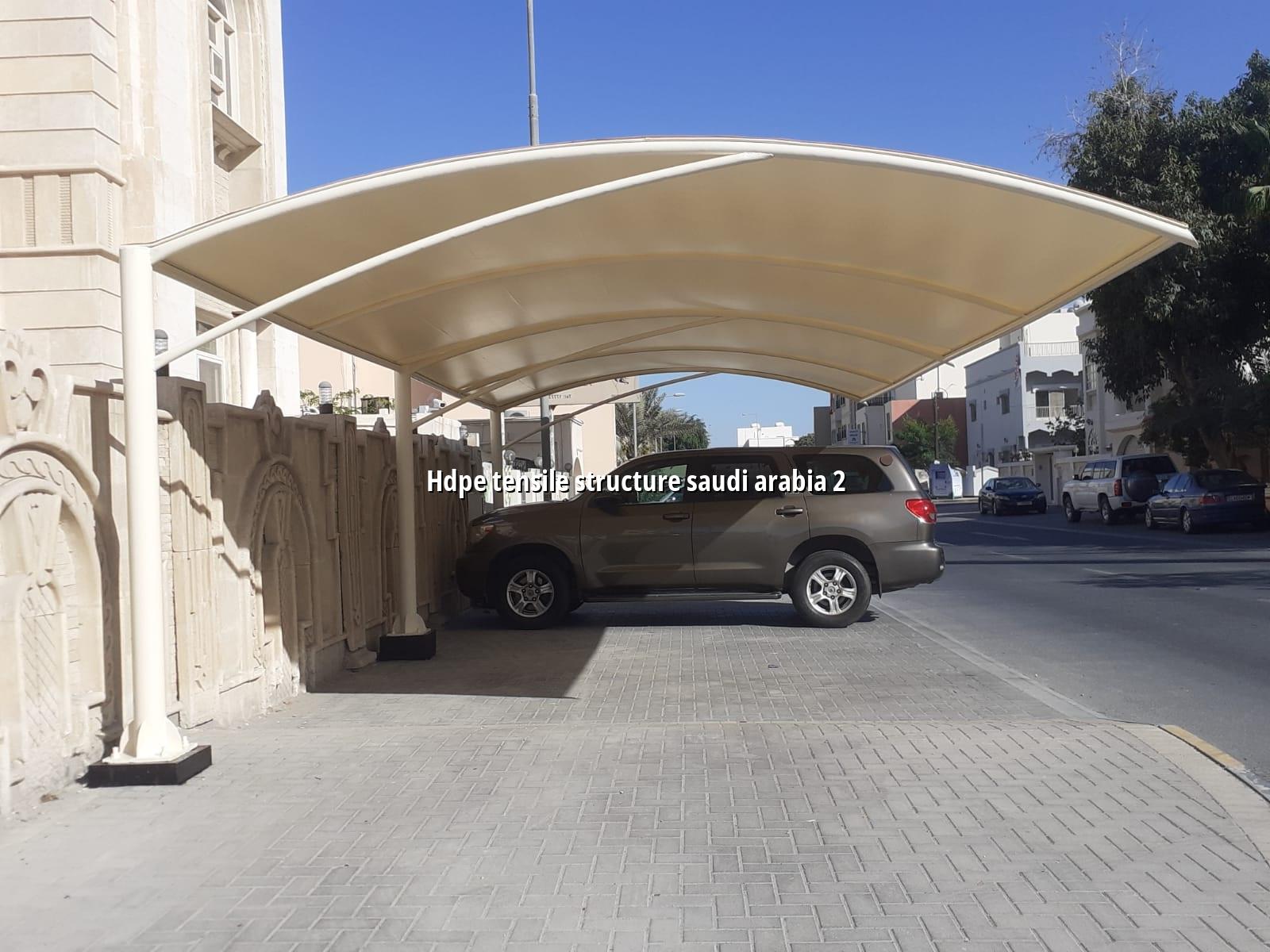
We handle the full chain in-house: design and engineering, manufacturing, installation and ongoing maintenance. That means your HDPE project is planned with the structure, fabric and fixing details working together from the start. If you need a privacy screen, labour rest shade, fence cover or a custom HDPE solution for Saudi Arabia or Bahrain, we can help you shape it properly.
Call +966 56 418 7590, message us on WhatsApp, or email info@choiceshade.com to talk through your project.
Here are the questions we get most often from clients planning HDPE screening and tensile shade work in the Gulf.
If you're comparing options for a site in Saudi Arabia or Bahrain, HDPE is often the right answer for screening, breathing space and day-to-day practicality. Our role is to match the material to the use, then build it properly so it lasts.
Talk to CI Shade about your HDPE tensile structure Saudi Arabia project and get a solution shaped around your site, your frame and your day-to-day use.
Request A QuoteLet's discuss how we can bring your vision to life with our expert tensile shade solutions.
Contact Us Today