Choice International Shade (CI Shade) - the Gulf Region's leading experts in high-quality tensile and structural shading solutions. Based in Saudi Arabia and Bahrain.
Loading
Choice International Shade (CI Shade) - the Gulf Region's leading experts in high-quality tensile and structural shading solutions. Based in Saudi Arabia and Bahrain.
An HDPE membrane fabric supplier Saudi Arabia customers can trust needs to understand much more than material names. HDPE membrane fabric is used where you need shade, privacy, airflow, and strong resistance to sun exposure in one practical layer. In our region, that usually means schools, labour accommodation, car parks, boundary screens, walkways, and outdoor areas that take real punishment from heat, dust, and coastal air.
At CI Shade, we supply and work with HDPE fabric as part of shade and fencing solutions built for Saudi Arabia and Bahrain. Our team knows the difference between a material that looks fine in a brochure and one that stays dependable under Gulf wind loads, high UV, and sand abrasion. If you're planning a new shade or privacy screen, this page will help you see what to ask for and where HDPE makes the most sense.
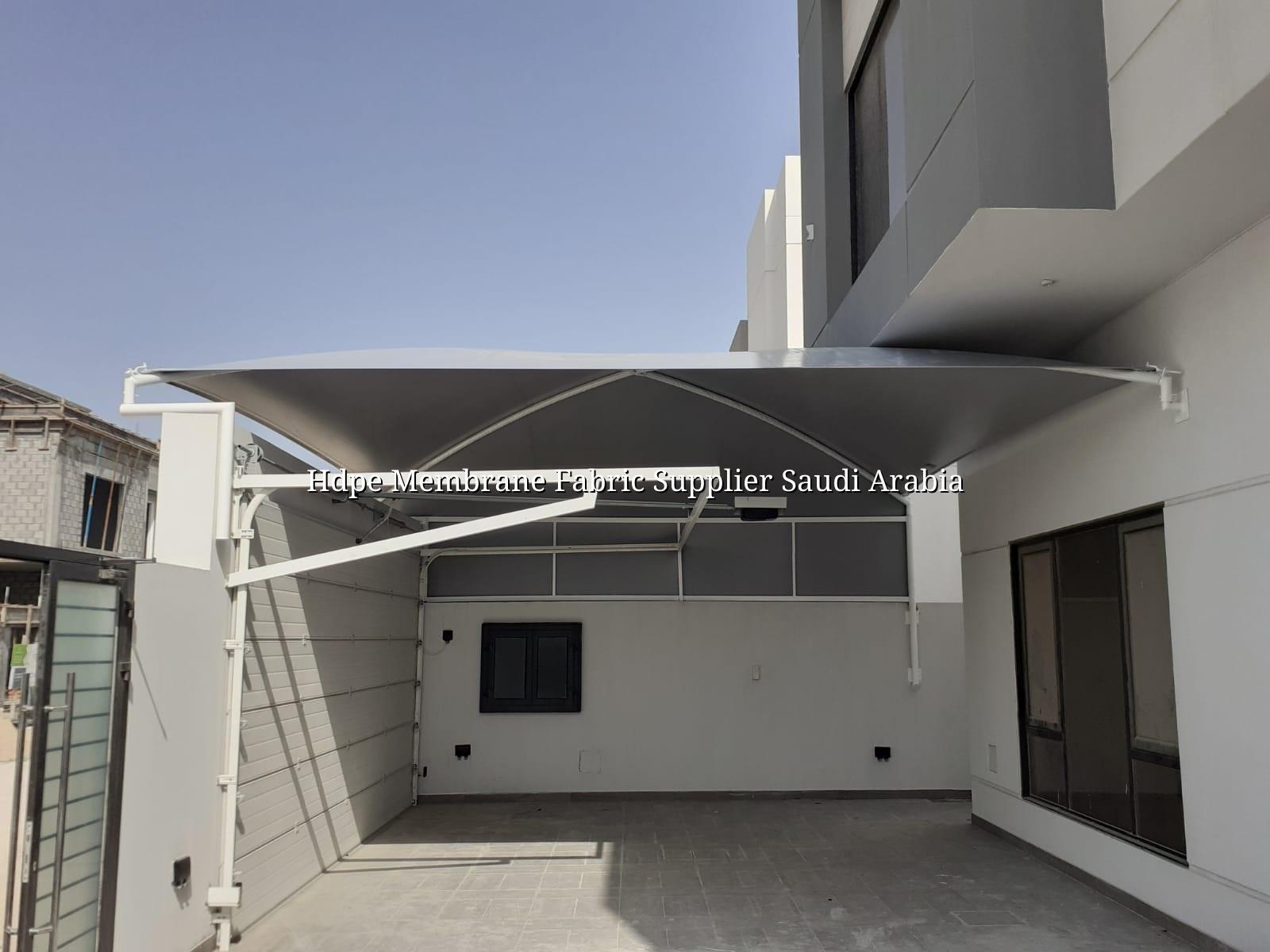
HDPE fabric is popular across the Eastern Province because it handles sunlight and airflow well. A 100% monofilament HDPE yarn structure is especially useful for privacy fence shades and screen walls, since it lets air pass through while reducing direct glare and visibility. That matters in places like Al Khobar, Dammam, Jubail, and Manama, where a solid barrier can catch wind and create other problems.
In Saudi Arabia and Bahrain, the fabric has to cope with long summers, UV exposure, dust movement, and salt in the air. HDPE is a sensible choice for many external applications because it helps reduce heat gain without turning the area into a wind trap. For schools, industrial yards, and residential boundary screens, that balance is often what people want most.
We rarely see two sites with the same fence line or shade requirement. Some projects need a straight privacy run beside a labour camp or warehouse yard. Others need curved screening around a nursery, sports court, or parking bay. Our design and engineering team shapes the fabric to the structure, checks the detailing, and works with steel frames, fixings, and edge tension so the finished result sits properly from day one.
People usually ask for HDPE when they want a practical screen with a clean appearance. The most common uses include shade walls, privacy fences, and external enclosure areas where air movement still matters. We also see demand from owners and contractors who want a tidy visual finish around active sites.
HDPE membrane fabric is often chosen because it gives partial screening while still letting wind move through the area. That helps reduce pressure on the structure, which is useful on exposed sites in the Gulf. You get a calmer space without boxing it in.
The material suits projects that need to stay outside for long periods and still look presentable. For us, that usually means choosing the right fabric density, fixing method, and frame detail from the start. That avoids the loose, tired look you sometimes see after a few harsh seasons.
Most enquiries start with a site photo, a sketch, or a simple idea. From there, we work through the details in a practical order so the fabric, steel, and installation all fit together properly.
HDPE is only one part of the fabric range we work with. Depending on the application, you may also need PVC coated fabric, PVDF coated fabric, PTFE fabric, ETFE film, or acrylic fabric. For screening and privacy, HDPE is usually the first material people ask us about because it is breathable and straightforward to use on fences and wall systems.
| Material | Main Strength | Typical Use |
|---|---|---|
| HDPE fabric | Breathable privacy screening with good airflow | Fence shades, wall screens, service enclosures |
| PVC coated fabric | Versatile coated surface for stronger weather protection | Car park shades, walkways, commercial canopies |
| PVDF coated fabric | Improved surface performance for demanding outdoor use | Premium tensile shade structures and architectural shades |
| PTFE fabric | High-performance membrane material for specialist projects | Large structures, landmark roofs, long-span shading |
Ask about the yarn type, fabric openness, edge reinforcement, stitching method, and how the membrane will connect to the steel. Those details affect how the screen looks after installation and how it performs once the site is exposed to wind and dust. We also check whether the project needs maintenance access for cleaning or repair.
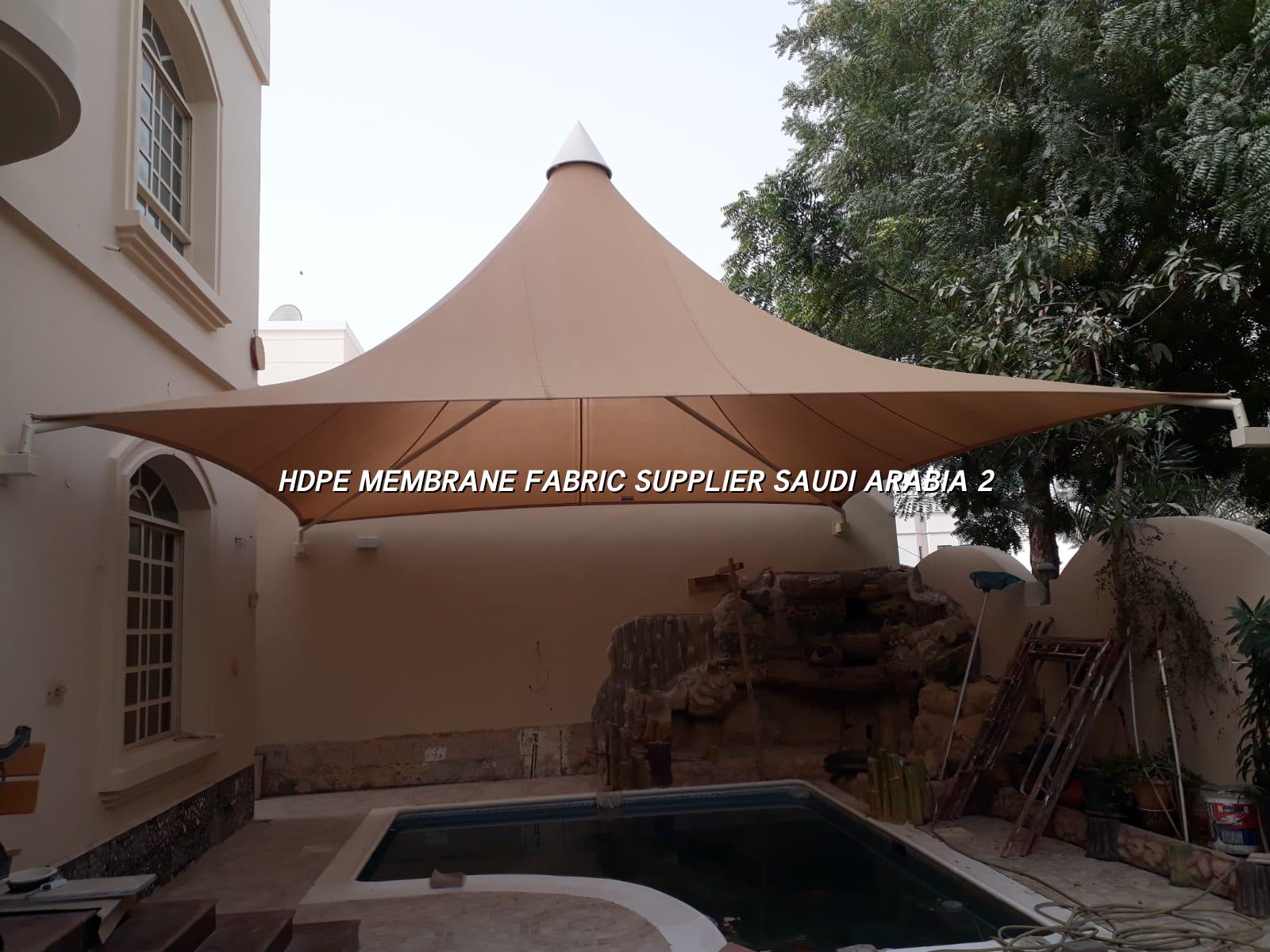
We handle HDPE-related shade and screening work through design & engineering, manufacturing, installation, and maintenance. If your site needs privacy fence shades, wall screening, or a custom fabric solution tied to steel work, our team can guide the full package and keep it practical for Gulf conditions. We also work on industrial, commercial, residential, and public-sector projects across Saudi Arabia and Bahrain.
Call +966 56 418 7590, message us on WhatsApp, or email info@choiceshade.com to talk through your project.
Here are the questions we hear most often from clients looking for HDPE screening and membrane fabric in Saudi Arabia and Bahrain.
If you're comparing options for screening or shade, start with the site conditions and the purpose of the membrane. A good HDPE specification should suit the climate, the structure, and the way the area is used every day. That's the part we help clients sort out before anything is fabricated.
Contact CI Shade today for practical advice, a site review, and a quote for your next HDPE membrane fabric project.
Request A QuoteLet's discuss how we can bring your vision to life with our expert tensile shade solutions.
Contact Us Today