Choice International Shade (CI Shade) - the Gulf Region's leading experts in high-quality tensile and structural shading solutions. Based in Saudi Arabia and Bahrain.
Loading
Choice International Shade (CI Shade) - the Gulf Region's leading experts in high-quality tensile and structural shading solutions. Based in Saudi Arabia and Bahrain.
Fire retardant fabric supplier Saudi Arabia searches usually come from a real project need: you need shade material that can handle heat, strong UV, dust, and a serious brief on safety. If you're planning a car park canopy, school shade, walkway cover, or a large tensile structure in Al Khobar, Dammam, Riyadh, or Bahrain, the fabric choice matters just as much as the steelwork.
At CI Shade, we supply and fabricate fabric systems for demanding outdoor use across Saudi Arabia and Bahrain. Our team works with PVC coated fabric, PVDF coated fabric, HDPE fabric, PTFE fabric, ETFE film and acrylic fabric, then builds the full shade structure around the actual site conditions, not a generic brochure spec.
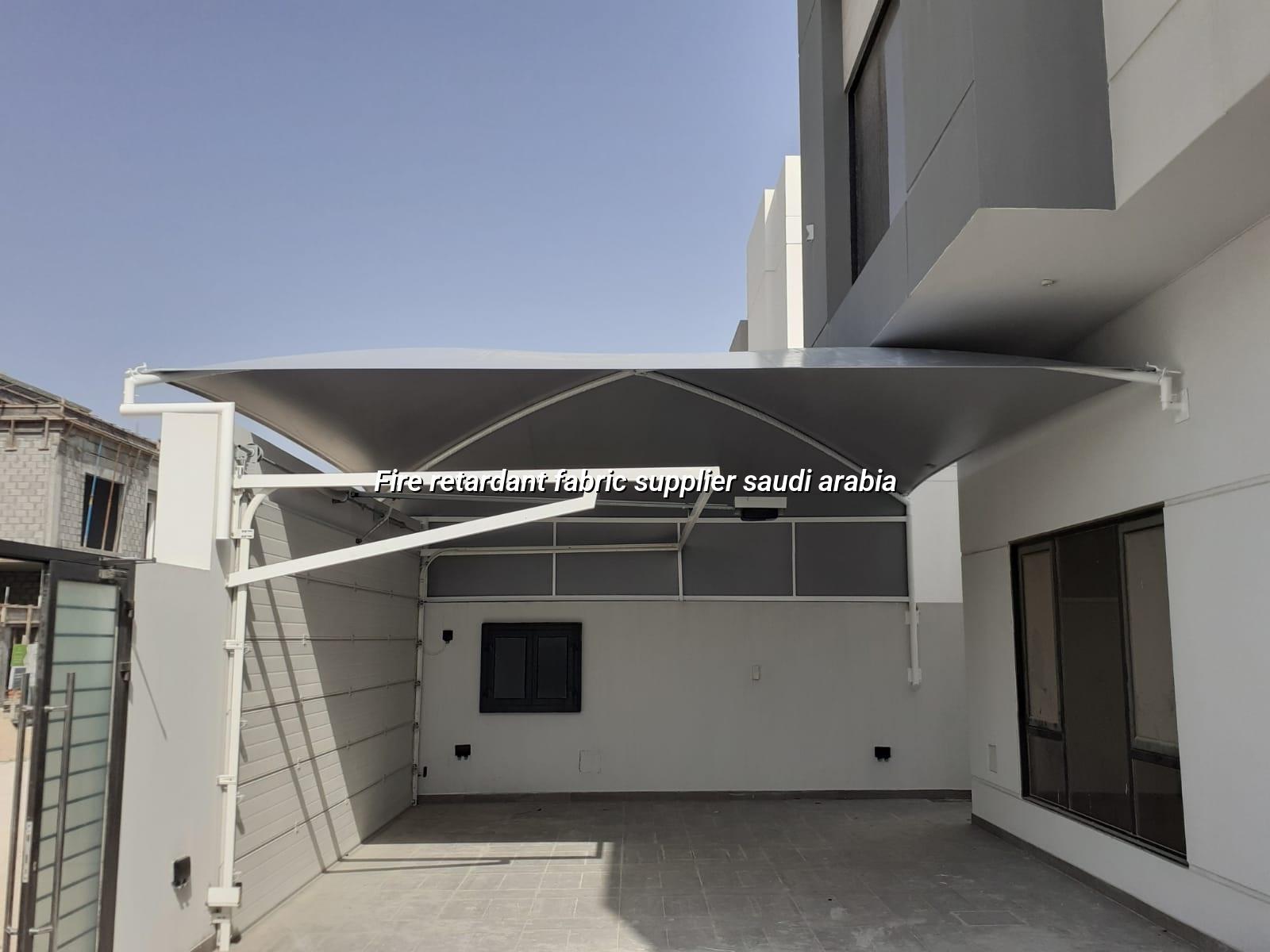
In the Gulf, fabric failure rarely starts with one dramatic event. It usually begins with colour fade, surface cracking, dirt build-up, or a membrane that no longer behaves properly under wind and heat. A supplier needs to understand more than material names; the team should know how a membrane performs near the coast in Bahrain, how it handles reflected heat in Saudi car parks, and how it sits on the frame once the project is installed.
We work in a region where summer temperatures stay high for long stretches, salt air reaches deep into coastal projects, and sand abrasion shows up on exposed edges. That is why fabric selection cannot be treated as a box-ticking exercise. PVDF coated fabric is often chosen for easier cleaning and better surface stability, while HDPE mesh works well where airflow and shade density need to be balanced. For enclosed or highly specified structures, PTFE and ETFE solutions may be more suitable, depending on the brief.
A fabric on its own is not a shade solution. It has to work with the posts, mast points, anchor details, connection plates, and the local wind load conditions. Our design and engineering team prepares concept layouts, structural detailing, CAD and SolidWorks drawings, and stamped calculations where required, so the fabric specification matches the frame and the site rather than fighting against it.
The same family of fire retardant and high-performance fabrics can serve very different projects. A school in Dhahran needs safe, cool play areas. A petrol station in Dammam wants dependable canopy coverage with a neat finish. A residential garden in Al Khobar may need a lighter visual profile, while an industrial labour rest tent needs practical shade, strong tension, and straightforward upkeep.
We don't push one fabric for every project. PVC, PVDF, HDPE, PTFE and ETFE all behave differently, so we select the material around fire performance, sunlight exposure, cleaning needs and how the structure will be used day to day. That saves headaches later.
Because we also manufacture, install and maintain shade structures, the material you approve is the material we build with. That gives you one team for the details, one team on site, and far fewer excuses if the project needs adjustment during execution.
Most enquiries start with a location, a use case, and a few site photos. From there, we narrow the options and shape the right fabric and structure for the job.
A good supplier should be able to explain the difference between appearance, performance and maintenance without hiding behind jargon. PVC coated fabric is widely used for general tensile shade work because it balances strength and cost effectiveness. PVDF coated fabric adds a tougher surface for dirt resistance and easier washing. HDPE fabric, especially 100% monofilament HDPE yarn, is popular for breathable shade where airflow matters, such as playgrounds and privacy fence shades. PTFE and ETFE are used in more specialised projects where the brief is more technical.
| Fabric Type | Typical Strength | Common Project Use |
|---|---|---|
| PVC coated fabric | Versatile, widely used, good for shaped membranes | Car parks, entrances, canopies, general tensile shades |
| PVDF coated fabric | Improved surface protection and easier cleaning | Commercial shades, schools, long-life exposed locations |
| HDPE fabric | Breathable shade with airflow and visual screening | Playgrounds, privacy fence shades, park and walkway areas |
| PTFE fabric | High-performance membrane for specialist structures | Large-span feature shading and demanding architectural projects |
| ETFE film | Technical membrane for lightweight translucent systems | Specialty roofs, cushion systems and advanced daylight solutions |
Ask for the intended fabric type, the coating system, the installation method, and how the membrane will be tensioned on site. Also ask how the project will cope with coastal salt, sand, and cleaning access. A supplier that works across Al Khobar and Bahrain should be able to speak plainly about those points without overpromising.
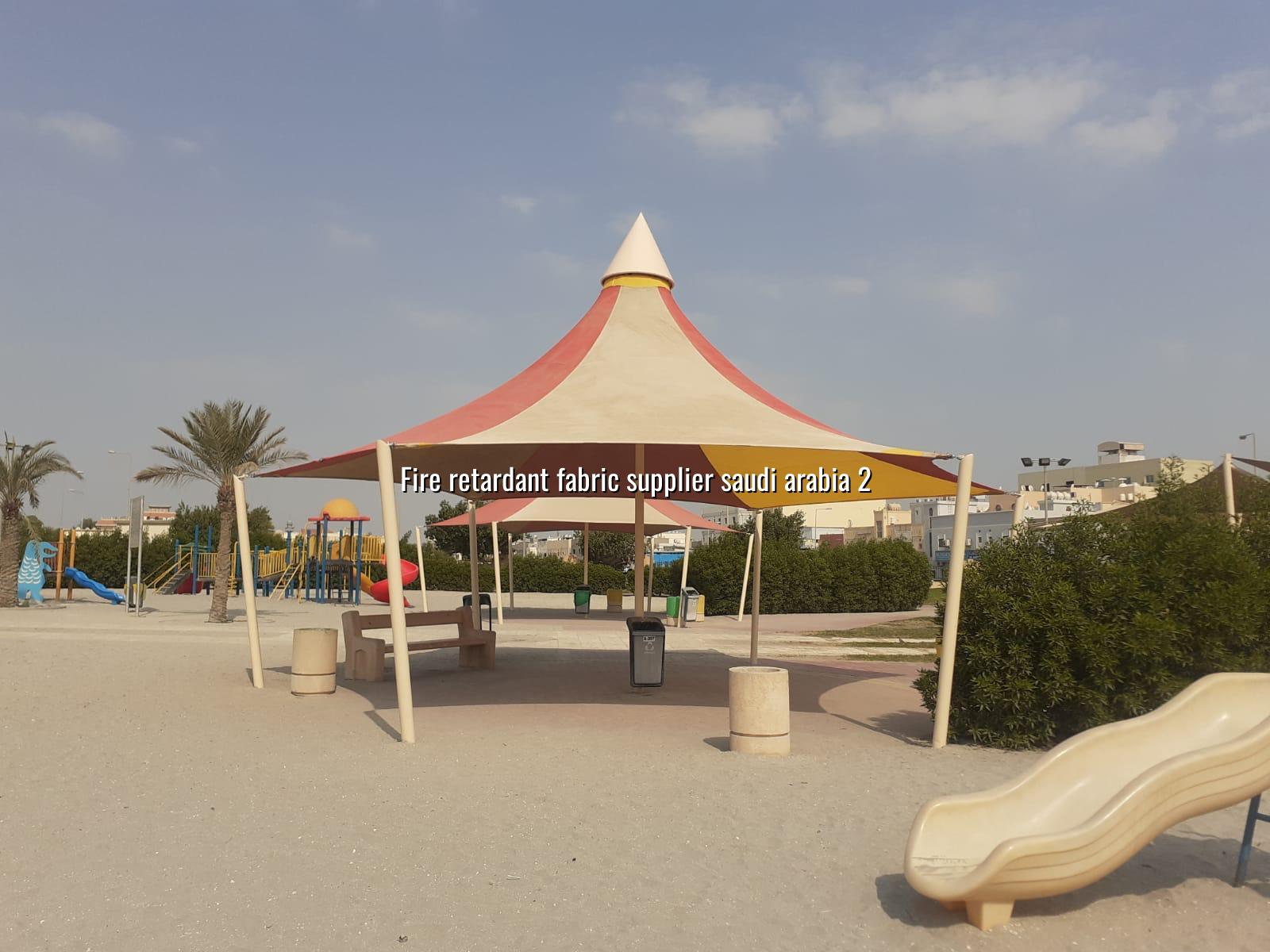
CI Shade supports fabric-led shade projects from the first drawing to the final bolt. Our services cover design and engineering, project management, manufacturing, installation, maintenance and steel contracting, so your fabric supply sits inside a complete delivery process rather than a loose material order. If you need a fire retardant fabric supplier Saudi Arabia clients can speak to with confidence, we’re ready to review your brief and suggest the right route.
Call +966 56 418 7590, message us on WhatsApp, or email info@choiceshade.com to talk through your project.
These are the questions people usually ask us before they order fabric for a shade structure in Saudi Arabia or Bahrain.
If you're comparing fabric options and want a straight answer, we'll talk you through the differences without pushing the wrong material into the wrong project. CI Shade is used to handling projects where the site conditions are unforgiving and the finish still has to look clean.
Contact CI Shade for a practical review of your site, your structure and your fabric requirements.
Request A QuoteLet's discuss how we can bring your vision to life with our expert tensile shade solutions.
Contact Us Today